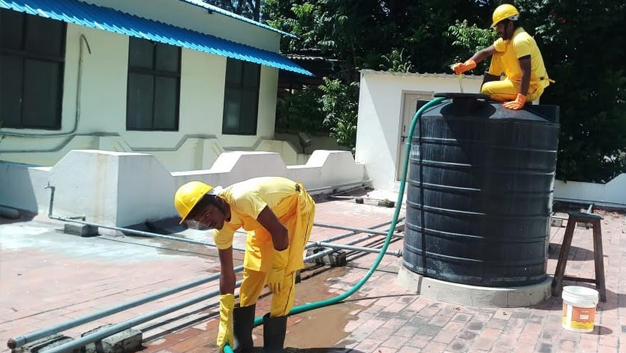
Clean and safe water is a fundamental requirement for human well-being. However, many people overlook the importance of maintaining the cleanliness of their water storage tanks. Water tanks, whether for domestic, commercial, or industrial use, play a crucial role in storing and supplying water. Regular cleaning of these tanks is essential to ensure the quality, safety, and longevity of our water supply. In this article, we will explore why water tank cleaning is of utmost importance, the risks associated with neglecting tank hygiene, and the steps necessary to maintain clean and safe water storage.
The primary objective of water tank cleaning is to preserve the quality of the stored water. Over time, tanks accumulate sediment, sludge, and other contaminants that can adversely affect water quality. These impurities may include dirt, debris, organic matter, bacteria, algae, and even insect infestations. If left unaddressed, these contaminants can multiply and compromise the potability of the water.
By regularly cleaning the water tank, we can remove accumulated sediments, eliminate microbial growth, and prevent the development of harmful bacteria and parasites. Clean water tanks minimize the risk of waterborne diseases such as gastroenteritis, cholera, typhoid, and diarrhea. Maintaining clean and safe water quality is particularly crucial for vulnerable populations, including children, the elderly, and those with compromised immune systems.
Water storage tanks are susceptible to various forms of contamination, both external and internal. External factors such as dust, leaves, animal droppings, and environmental pollutants can find their way into the tank, compromising water quality. Moreover, inadequate sealing or damaged tank components can allow pests and insects to enter, further contaminating the water.
Internally, sediment buildup, corrosion, and scaling can occur, providing a breeding ground for bacteria, algae, and other microorganisms. These contaminants can multiply and spread, leading to foul odors, discoloration, and an unpleasant taste in the water.
Regular tank cleaning prevents the accumulation of contaminants, reducing the risk of water contamination and ensuring a clean and safe water supply. It also allows for the inspection and timely repair of any damages or leakages, preventing further contamination from external sources.
Water tanks are long-term investments, and proper maintenance, including regular cleaning, can significantly extend their lifespan. Sediment, sludge, and corrosive substances can cause internal damage to the tank, leading to structural deterioration, leaks, and reduced durability.
By cleaning the tank regularly, we can remove corrosive materials, prevent sediment buildup, and maintain the integrity of the tank. This helps in preventing leaks, minimizing the risk of structural failure, and ensuring the longevity of the tank.
In many regions, there are specific health and safety regulations that govern the maintenance of water storage systems. These regulations often require regular cleaning and maintenance of water tanks to ensure compliance with water quality standards. By adhering to these regulations and maintaining a clean water tank, individuals, businesses, and institutions demonstrate their commitment to public health and safety. Compliance with these regulations also minimizes the risk of legal liabilities associated with water contamination and the spread of waterborne diseases.
To ensure effective water tank cleaning, follow these steps: Empty the tank and drain all water completely.
Remove any accumulated sediment, sludge, and debris using appropriate tools. Scrub the interior surfaces of the tank using a brush or high-pressure hose. Disinfect the tank by using chlorine-based solutions or eco-friendly alternatives. Thoroughly rinse the tank to remove cleaning agents and disinfectants. Inspect the tank for any damages, leaks, or signs of contamination. Repair or replace damaged components as necessary. Refill the tank with clean and potable water from a reliable source. Establish a regular maintenance schedule for routine inspections and cleanings.
Water tank cleaning is vital for maintaining the quality, safety, and longevity of our water supply. Regular cleaning prevents water contamination, ensures compliance with health and safety regulations, and extends the lifespan of water storage tanks. By prioritizing tank hygiene, we can protect ourselves and our communities from waterborne diseases and contribute to a healthier and safer environment. Remember, clean water starts with a clean water tank.
So what are you waiting for grab your phone and call us and book a water tank cleaning service by WashBin